What Was DAT Quality Like?
DAT was renowned for exceptional sound quality. It is typically recorded at 44.1kHz and 16-bit, the same resolution used for CD audio, with some machines capable of even higher specifications.
Because DAT is a digital format, recordings were free from the hiss, warble and distortion common in analogue cassette tapes. Copies could be made without degradation, making DAT ideal for master recordings.
However, DAT’s quality comes with hardware limitations. The tapes require precision mechanisms for stable playback, and only specific decks can read particular recording modes. As machines fail or become unavailable, retrieving recordings becomes more difficult. Ageing tapes may also experience digital errors, audible dropouts or complete data loss if not transferred in time.
What Are the Differences Between DAT and Cassette Tapes?
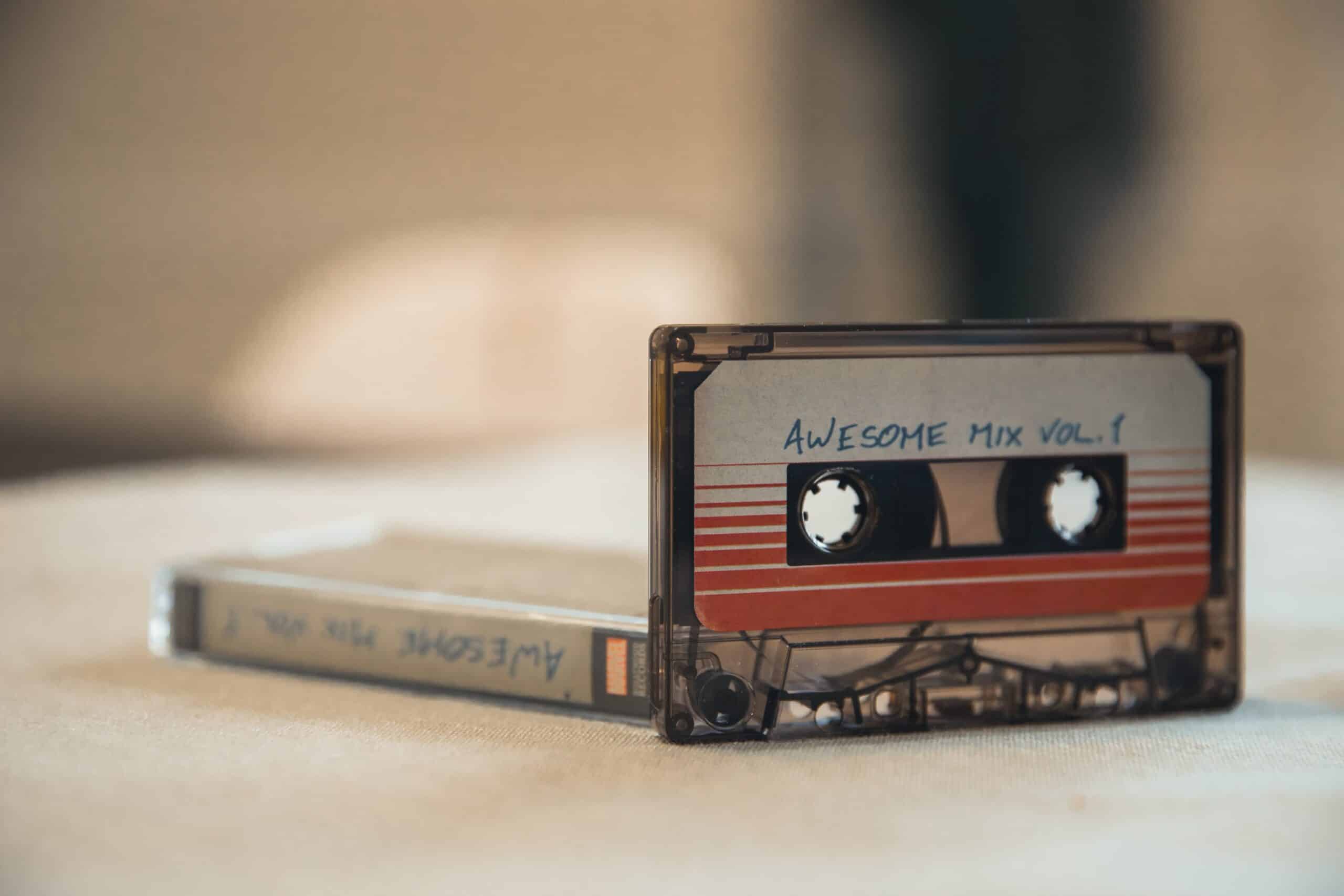
Although they can appear visually similar, DAT and analogue cassettes function very differently.
DAT is a digital format, while cassettes are analogue. This gives DAT significantly better clarity, less noise and more accurate reproduction of the original sound.
DAT tapes are smaller, roughly half the size of a traditional cassette. They also play linearly from start to finish without the need to flip sides, functioning more like a CD in tape form.
Most importantly, DAT requires specialised recording and playback decks that are no longer manufactured. Cassette decks are still quite common and relatively easy to service, but DAT equipment has become rare. This limits consumer access and makes professional conversion essential for preservation.
If you are also converting older media, DiskBank offers additional services such as Cassette to Digital, Vinyl to Digital, and Audio to Digital transfers, allowing all your recordings to be brought into a modern, accessible format.